
Why Meditation Hurts, And How Fascia Training Fixes It
A practical explanation of why sitting still becomes painful, and how fascia transforms the entire experience. If meditation hurts, you’re not necessarily doing anything wrong; you might need to train the body.

Meditation pain isn’t a mindfulness issue — it’s a structural one
When you’re beginning meditation, the first thing you might encounter is discomfort. The shoulders may start aching, the back tightens, the hips begin to complain, and the body slowly collapses, no matter how many times you adjust. It becomes a constant negotiation between the mind wanting to meditate and the body simply not cooperating. It’s a huge barrier to new meditators.
This isn’t because meditation is meant to be painful. It’s because the body is relying on muscular tension, rather than fascia, to keep itself upright.
Most meditation instructions focus only on the breath or the mind. Very few talk, in detail, about the body. Fascia is the structure that allows the body to sit comfortably for long periods without strain.
Understanding fascia
Fascia is a continuous connective-tissue web that runs through the entire body, from the feet to the top of the head, from the fingers to the spine. It allows the body’s structural integrity to align, distributes tension, and creates an internal “spring system” that supports you without needing muscular effort. Fascia is also highly conductive in nature, and when it’s activated, the body’s bio-electrical energy can flow freely.
If the fascia isn’t developed or organised, the muscles have no choice but to take over. Muscles fatigue quickly. Fascia, on the other hand, can hold shape and structure effortlessly for long periods. This is why someone whose fascia is well developed can sit for hours with very little effort, while someone using muscle tension struggles within minutes.
Once you understand this, meditation makes much more sense, and you’ll realise the problem isn’t your flexibility or your willpower; it’s simply that the body hasn’t been trained properly.
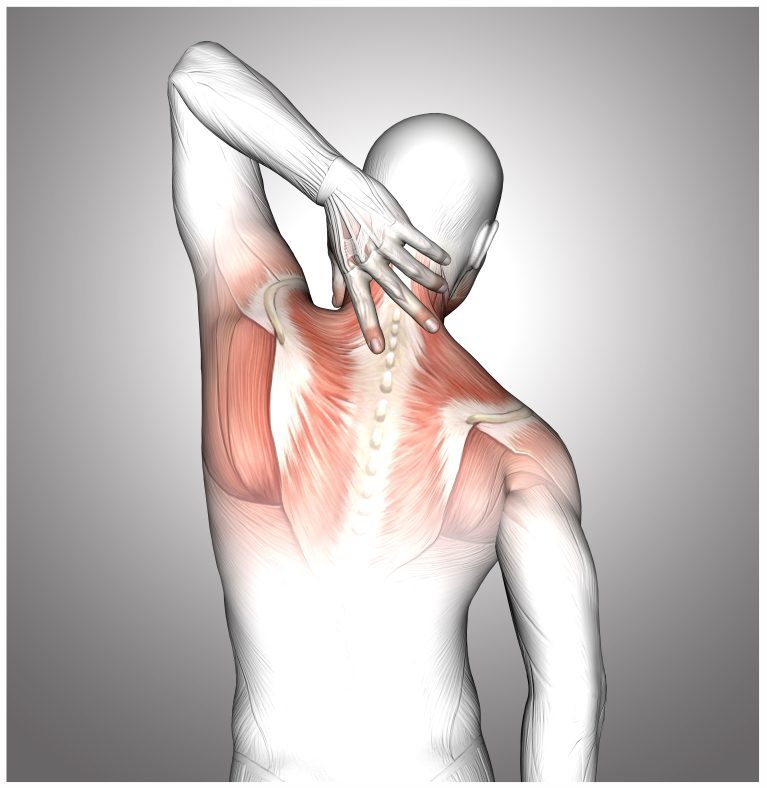
What actually causes pain while meditating
When most untrained mediators sit, they try to hold their bodies taught and upright. If the fascia isn’t active, the muscles immediately start contracting to maintain posture. They brace around the spine, the hips, and sometimes the neck and shoulders. As they fatigue, the internal structure collapses. This collapse is what creates the familiar pain people associate with meditation. Furthermore, meditation is a process of release; contraction (physical or mental) is the opposite of release!
To add salt to the wound, practitioners are told things like “the mind will overcome the pain” or “try not to attach to the pain”. This is hugely unhelpful and can even be physically damaging advice. Body pain in meditation is not a psychological barrier; it’s biomechanics.
Most people push through this discomfort for years, believing it’s normal. Eventually the body adapts, but it’s a slow, unnecessary and often miserable process. There is a far more direct and intelligent way to approach it.
Fascia changes everything — instantly
When you shift your awareness from muscle tension to radiant fascia, the posture naturally reorganises. The muscular contraction begins to dissolve, and the fascia starts to radiate outward, creating internal space, buoyancy and stability. Instead of “holding yourself up,” the body becomes supported by its internal architecture. The radiant feeling is the increased conductivity of the body’s bio-electrical signals though the fascia and is the first tuning fork to look for.
As you practice with fascia, you’ll feel the pressure that was previously compressing the joints spread into the fascial web, and the body stops collapsing. The structure becomes light, upright, and spacious. Even the breath changes, it becomes smoother and relaxed. This is due to the central nervous system becoming harmonised and the relaxation of muscles.
This is exactly why people with strong fascia can sit for long periods without pain. It’s not mystical. It’s structural.

My experience: linking fascia to meditation multiplied my sitting ability
I’ve meditated for many years and been on numerous long retreats. In all that time, no meditation teacher ever mentioned fascia. When I finally brought my martial arts fascia training into my meditation practice, the change was immediate.
Within a week of using the correct method, my sitting time tripled.
Nothing else changed; not my willpower, not my discipline, not my mindset. The only difference was the internal structure I was sitting with. Fascia allowed the body to remain upright without strain, which allowed my mind to actually meditate, instead of focusing on managing pain.
The how
The process is about sensitivity and clarity, not forceful training methods.
When you feel discomfort, the first step is to gain clarity. Where is the tension? What does it connect to? Don’t just label it as “pain”, try to be specific by identifying what kind of tension you’re experiencing and what might be causing it. This immediately gives you something practical to work with.
From there, you start to release muscular contraction into the fascia by:
- Opening space around the area
- Energetically radiate outward from the fascia, not contracting inward.
- Transform the muscular tension into the radiant fascia using release
There is a method to this process, and it’s hard to teach without being face-to-face, but with the right mindset set you can find the right feeling on your own.
In meditation, at a certain point, the discomfort has to become your meditation object. and then, working with it brings you deeper into your structure and deeper into your practice. The release feeling in the body is transformed into a release feeling in the consciousness, and you’ll ascend in your meditation practice with ease.
This approach doesn’t just resolve pain; it builds capacity. Furthermore, you’ll gain awareness of the body and may decide to use balms or self-massage techniques if you have knots or tightness in specific areas.

Why fascia training accelerates meditation practice
Traditional meditation often asks beginners to hold postures that the beginner’s body simply isn’t ready for. People end up in a constant battle with tension, which not only distracts them, making meditation laborious, but also prevents them from reaching the deep states of equanimity required for ascension.
When fascia becomes the primary support engine, the entire meditation experience opens:
- You sit with ease rather than effort
- The body feels light and supported
- The mind becomes stable and freed to work at a higher state
- Your internal energy is evenly distributed across the whole body
- Your central nervous system is brought into equanimity
- The vagus nerve is relaxed and able to transmit information around the body effortlessly
It changes the relationship between your body and your practice completely.
learn fascia-based meditation in person
I teach fascia training, internal arts, and meditation across East Sussex — including Hastings, Battle, Lewes, Brighton and Seaford.
If you’d like to strengthen your structure, improve your meditation, or understand how fascia works within Tai Chi, Qigong, Hermetics and internal power training, you’re welcome to join a class or book a 121 session.

Group classes on offer
The School of Energy Alignment offers a core curriculum designed to develop every aspect of your life across key foundational levels:
Physical, Emotional, Mental, and Spiritual. Join a Tai Chi class in Hastings and Seaford.
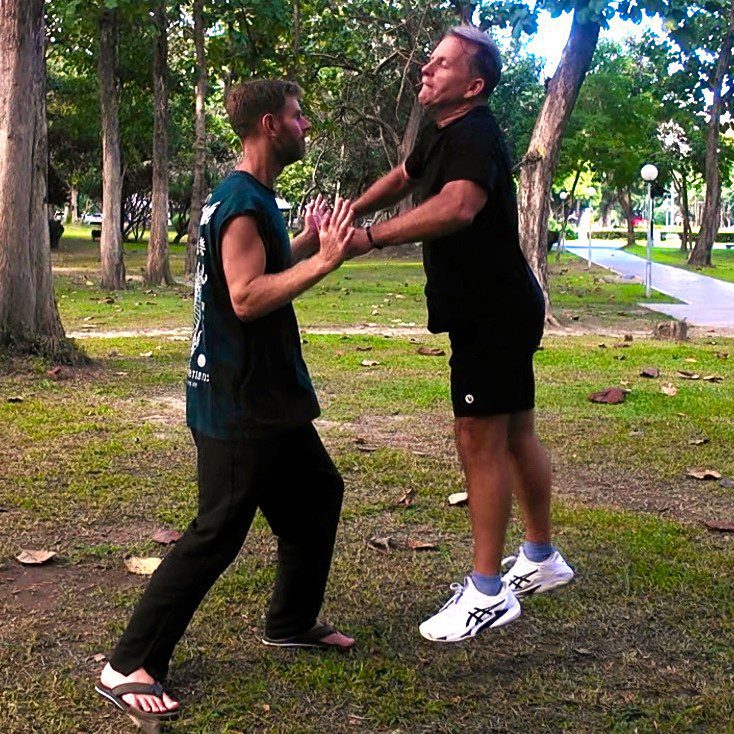
Strength, elastic power and mobility through Kung Fu-inspired exercises and fascia training.

Explosive, coiled power combining rapid movement, precision, balance, and spirit.
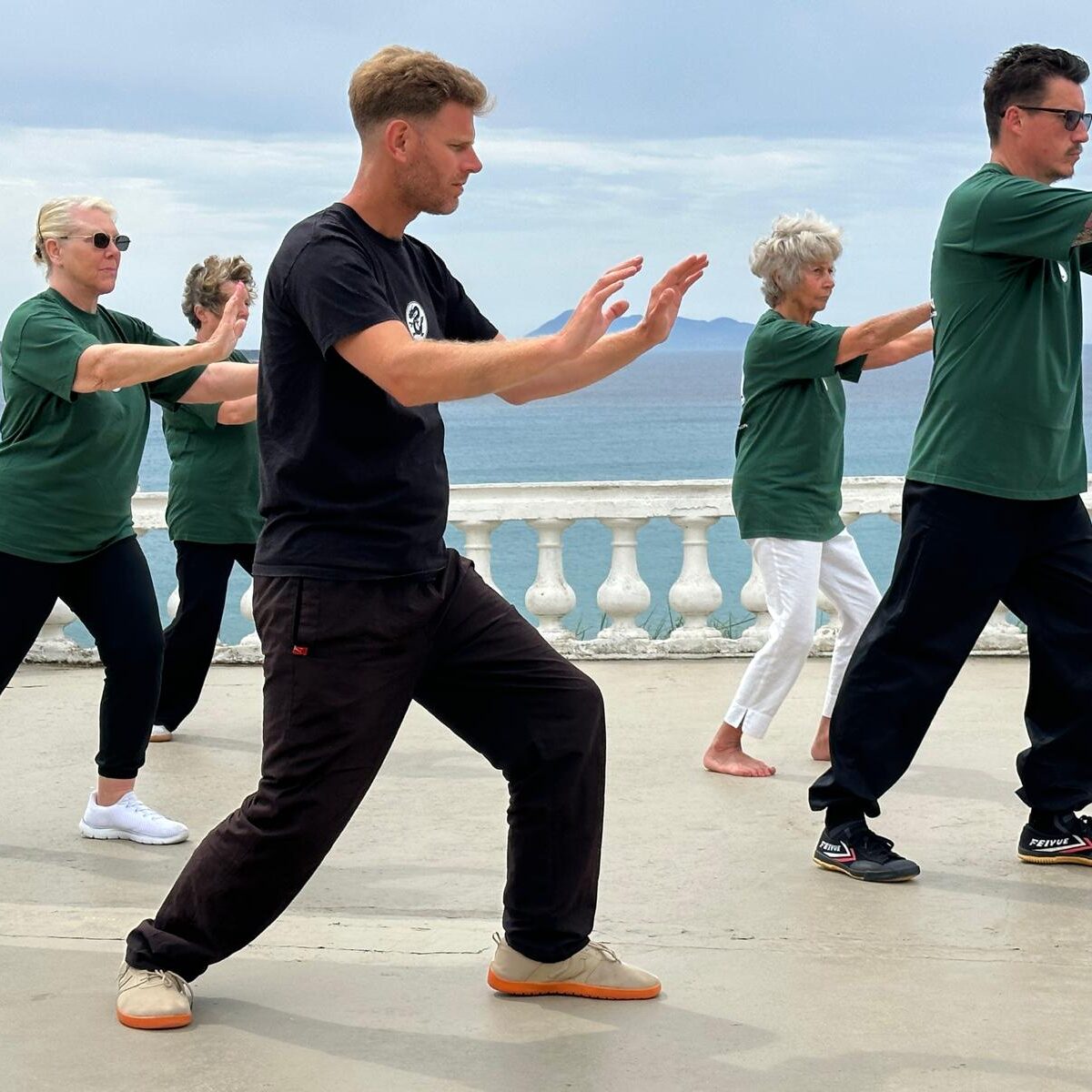
Transform tension into strength through mindful, powerful, and effortless movement.
Internal spiralling energy to build vitality and awaken deep internal power.
Cultivate awareness, balance elements, and expand consciousness through stillness.