Seven Hermetic Principles for Meditation, Qigong & Personal Development
A clear guide to the seven Hermetic principles and how they support meditation, Qigong and personal development. Learn how ancient wisdom aligns with modern internal arts.
Emotion as a hermetic principle
The Seven Hermetic Principles are not just ancient philosophy; they are practical tools for transforming the body, mind and consciousness. Whether through stillness, breath, intention or movement, these principles help us align ourselves with the underlying mechanics of reality.
By studying and applying them, we gain not only knowledge but the ability to shape the direction of our lives.
For thousands of years, ancient practitioners studied the laws that govern consciousness, energy and the structure of reality. These teachings were later gathered into what we call the Seven Hermetic Principles. Although these principles are 10,000 years old, the latest scientific discoveries are only just now proving them to be the principles of the universe.
What makes these principles extraordinary is their accuracy. Modern fields such as quantum physics, fractal geometry, neuroscience and behavioural psychology now echo the same truths taught by ancient mystics: consciousness shapes reality, reality responds to intention, and human beings evolve through understanding the patterns of nature.
In meditation, Qigong and internal martial arts, these principles are not abstract philosophy. They are practical mechanics. They guide how we focus the mind, transform emotion, cultivate internal energy and shape the direction of our lives. Below you’ll find each principle explained in a clear, grounded way, along with why it matters for your personal development.
1. The Principle of Mentalism
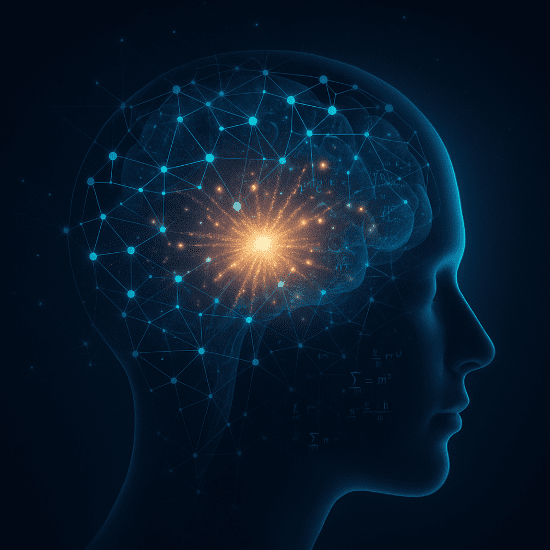
“All is mind; the universe is mental.”
Ancient Hermeticists taught that consciousness is the root of all experience, and now, modern physics agrees. Our thoughts, beliefs and emotional patterns influence the body’s energy field, shaping both perception and physical outcomes. This is the same mechanism behind the placebo effect: positive expectation heals, negative expectation harms.
In meditation, Mentalism teaches us to recognise ourselves as the observer behind the thoughts. In Qigong, it helps us understand that Yi (intent) directs Qi, meaning the mind leads the energy. And in personal development, it shows us that changing our inner dialogue is not self-help; it’s rewiring reality at its source.
2. The Principle of Correspondence
“As above, so below; as within, so without.”
Hermeticists understood long before fractal geometry that patterns repeat on every scale, from the atom to the human body to the cosmos. The micro reflects the macro. The inner reflects the outer.
In practice, this principle explains why the state of your mind influences the state of your body, and why your emotional patterns shape your relationships, habits and direction in life. In meditation, it helps us understand that the qualities we cultivate internally begin to appear externally as opportunities, connections and improved wellbeing.
In martial arts, it shows us that the principles of movement found in the smallest joint spirals also exist in the largest whole-body waves: small movements create large transformations.

3. The Principle of vibration
“Nothing rests; everything moves.”
Modern physics confirms what Hermeticists taught thousands of years ago: everything is vibration. Atoms are vortices of energy, constantly spinning and radiating waves. Nothing is solid; all matter is energy in motion.
In internal arts, vibration is experienced directly. The breath has rhythm, the fascia has elasticity, and emotional states are simply frequencies expressed through the nervous system.
Meditation teaches us to calm coarse vibrations (stress, anxiety) and refine them into resonant ones.
Qigong uses vibration consciously; anything you can feel, you can transform. So, we take clarity of energy through the feeling sense and learn to transform the vibration and harmonise the energy to be resonant with our goals. This clears stagnation.
When we change our vibration, we change our experience.
4. The Principle of Polarity
“Opposites are the same in nature, but different in degree.”
Everything exists on a spectrum. Hot and cold are the same thing at different degrees (of vibration). Light and dark exist on one continuum. Emotion is the same: fear and excitement are neighbouring frequencies, not separate states.
This principle helps us remain centred during meditation. Instead of swinging between extremes, tension/relaxation, pleasure/discomfort, joy/sadness. We learn to observe both sides without getting pulled into either. From that balance point, you can easily release anything the mind sticks to.
In personal development, Polarity teaches emotional intelligence: instead of suppressing “negative” emotions, we recognise them as part of a larger whole. This awareness allows transformation rather than resistance.


5. The Principle of Rhythm
“Everything flows, out and in; everything has tides.”
Life moves in waves: inhalation/exhalation, day/night, expansion/contraction, high energy/low energy. When we resist the natural ebb and flow, we suffer. When we align with rhythm, the mind becomes balanced and the body recovers faster.
Meditation teaches us to ride the internal wave rather than fight it.
Qigong mirrors this principle through its cyclical movements, breath patterns and whole-body spirals.
Rhythm is the antidote to the modern trap of “always on.” It teaches patience, timing, and the understanding that every low phase naturally cycles upward again.al stability, clearer decision-making and deeper self-awareness. When both qualities work together, meditation deepens, internal power grows, and life becomes more harmonious.
The key is to own your rhythms and not let them own you. Choose the times in your life when you have stress and vulnerability, and push yourself to your limit. Then, understand that you will need relaxation afterwards. Ignoring this will mean life chooses when you have stress, and it won’t be at your most advantageous time.
6. The Principle of causation
“Every cause has its effect; every effect has its cause.”
Hermeticism teaches that nothing happens by chance; there are patterns we understand and patterns we don’t. Every thought, action and emotional habit produces a corresponding outcome.
In meditation, this principle helps us take responsibility for our inner environment. Recognise that the thoughts you think today will shape your behaviour tomorrow.
In Qigong, intention (cause) generates energetic and physiological effects within the body, which we tune into and use to shape our lives, creating the effects we desire.
In personal development, this principle reveals how repeated patterns form our reality: change the cause, and you change the effect. This is the foundation of conscious living.

7. The Principle of Gender
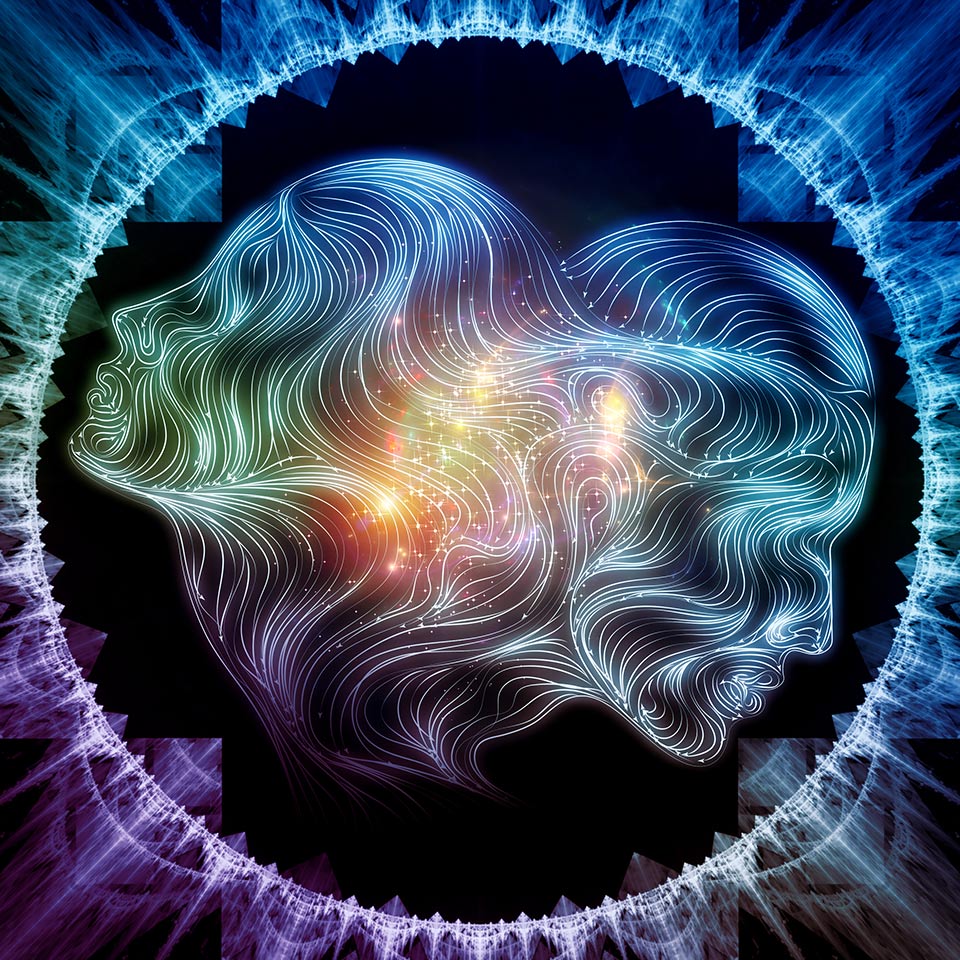
“Gender is in everything; masculine and feminine principles exist on all planes.”
In Hermeticism, “gender” does not refer to biological sex, it refers to two complementary forces present within everything:
- Active / directive
- Receptive / nurturing
In meditation, these correspond to focus and openness, or intention and surrender.
In Qigong, they appear as structure and fluidity, rooting and expansion, yin and yang.
Balanced internal gender creates emotional stability, clearer decision-making and deeper self-awareness. When both qualities work together, meditation deepens, internal power grows, and life becomes more harmonious.
Bruce. H. Lipton PhD Has to say about hermetic Principles
Dr. Bruce Lipton explains that the Seven Hermetic Principles perfectly describe the underlying mechanics of reality as confirmed by today’s most advanced science. From quantum physics showing that consciousness shapes matter (Mentalism), to fractal geometry revealing repeating patterns at every scale (Correspondence), to the vibrational nature of atoms and energy fields (Vibration), each principle aligns with modern discoveries about how the universe truly works. Lipton highlights that these ancient insights offer a practical blueprint for understanding the mind, transforming emotion, influencing our biology, and consciously shaping our lives.
Group classes on offer
The School of Energy Alignment offers a core curriculum designed to develop every aspect of your life across key foundational levels:
Physical, Emotional, Mental, and Spiritual. Join a Tai Chi class in Hastings and Seaford.
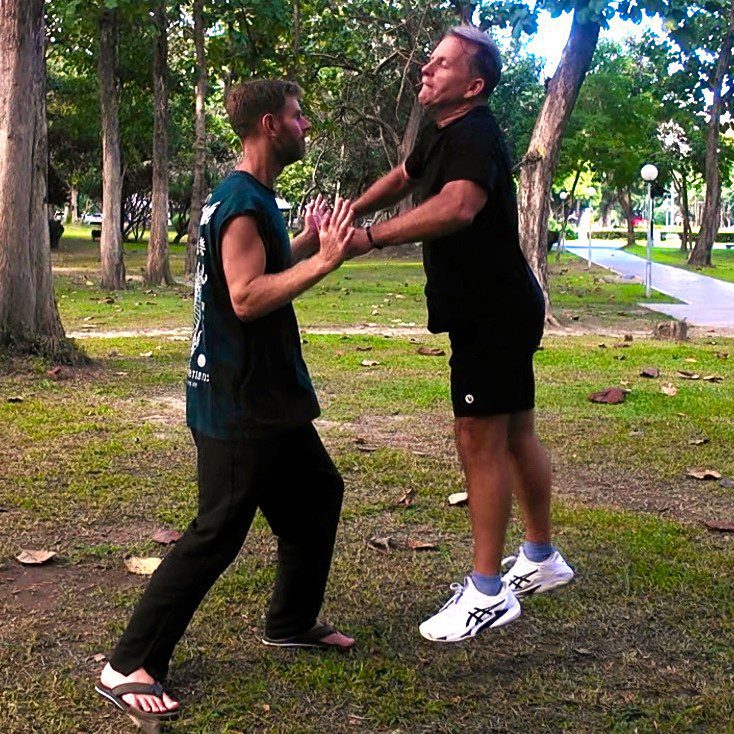
Strength, elastic power and mobility through Kung Fu-inspired exercises and fascia training.
Explosive, coiled power combining rapid movement, precision, balance, and spirit.
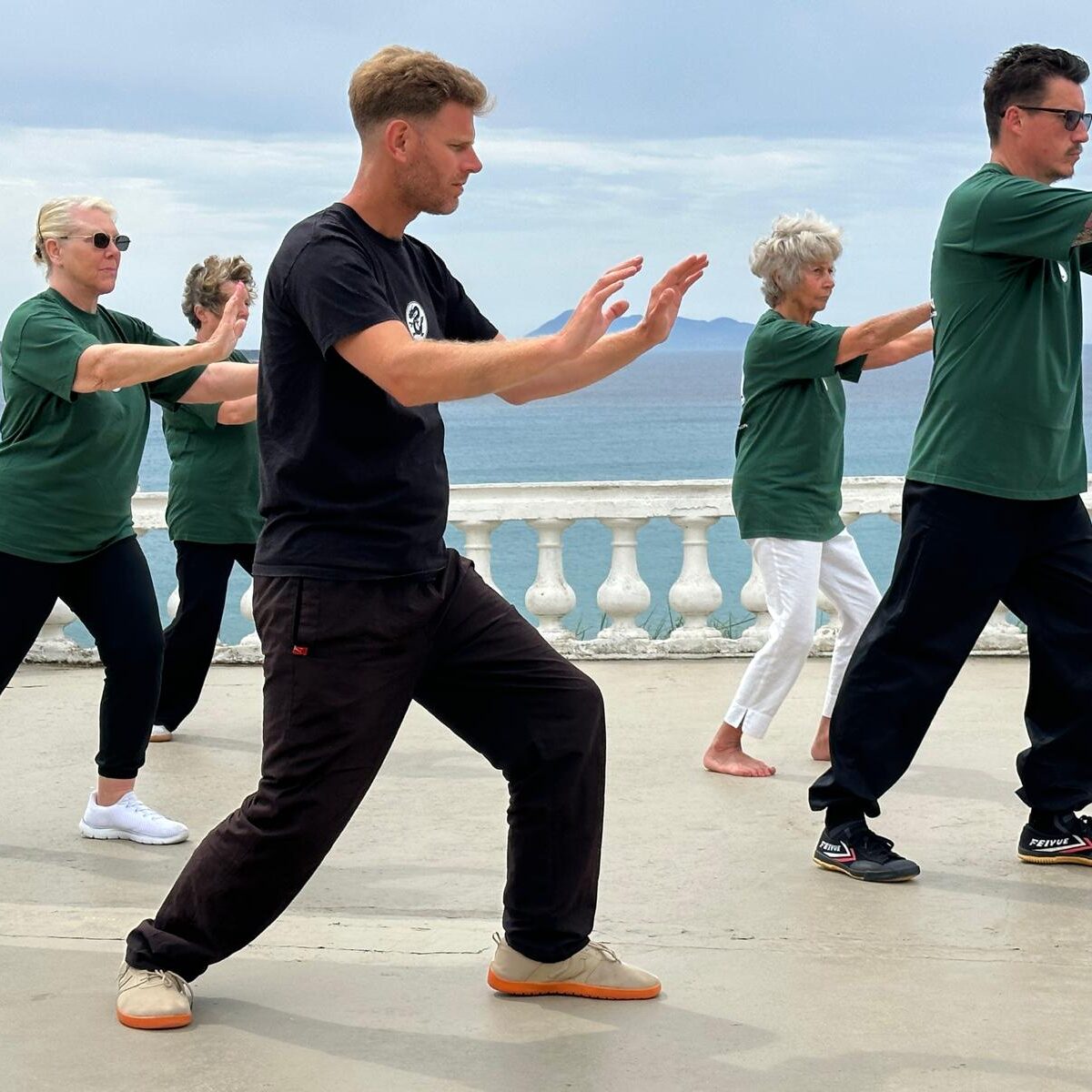
Transform tension into strength through mindful, powerful, and effortless movement.

Internal spiralling energy to build vitality and awaken deep internal power.
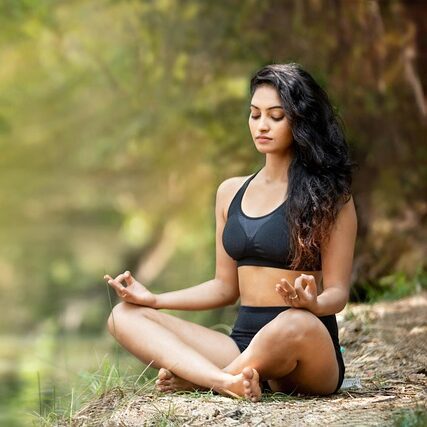
Cultivate awareness, balance elements, and expand consciousness through stillness.